
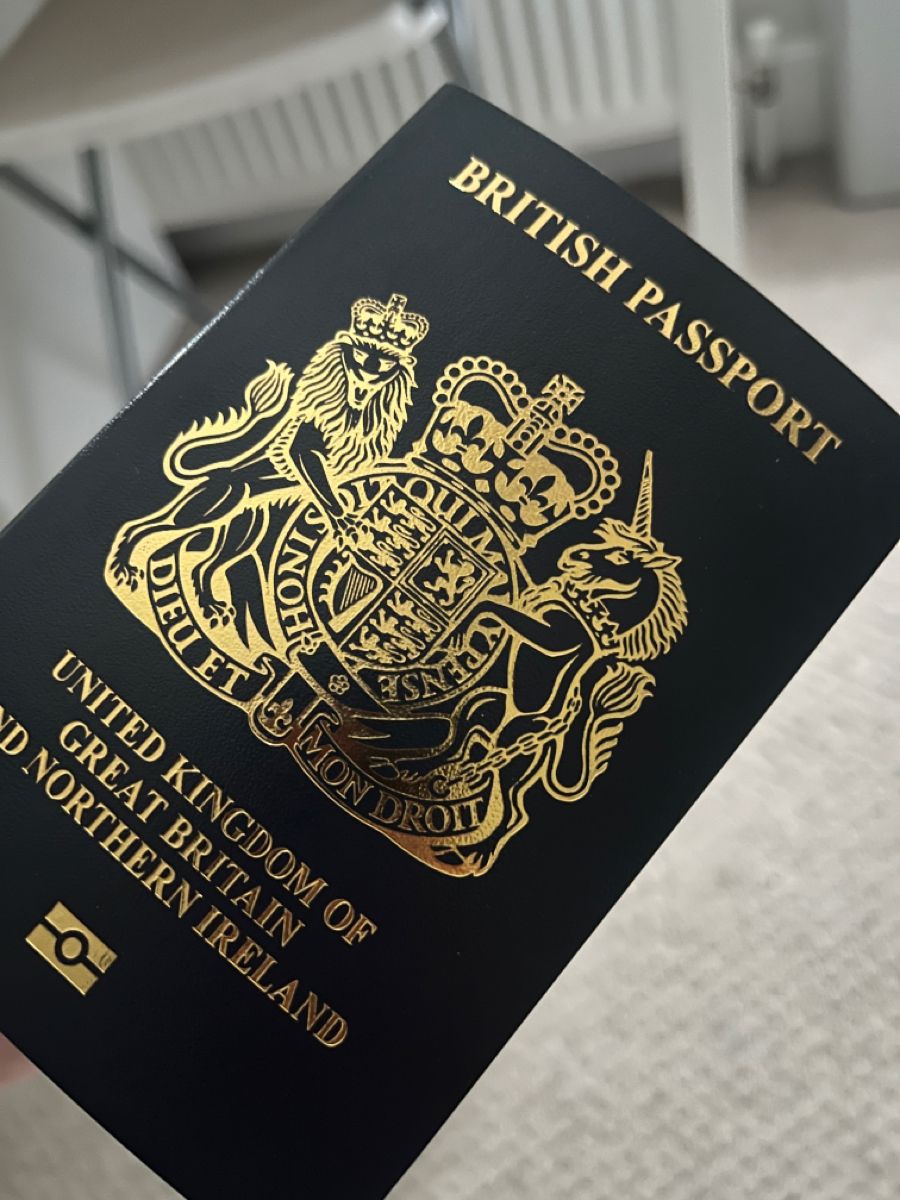
The 90/180-Day Rule: What Brexit Really Means for British Property Owners
One of the most consequential and least clearly explained rules for British buyers post-Brexit
Last updated: 17 August 2026
If you're a British citizen who owns — or is about to buy — a property in Spain, there's one rule that shapes almost everything about how you'll actually be able to use that home: the Schengen 90/180-day rule. It's the single biggest post-Brexit change for UK owners, and it's the one most often misunderstood. The short version: owning a Spanish home does not give you the right to live in it full-time. As non-EU nationals, British citizens can spend a maximum of 90 days in any rolling 180-day period across the entire Schengen Area — this is set out in the Schengen Borders Code (Regulation (EU) 2016/399, Article 6) and confirmed by GOV.UK's official Spain travel advice.
The rule in one paragraph
On any given day, Spanish (and every other Schengen) border control looks back 180 days. Within that window, you can have spent no more than 90 days inside the Schengen Area — not just Spain, but France, Portugal, Italy, Germany, and the other 24 countries combined. It's a rolling calculation, not a calendar-year reset on 1 January. Buying a house in Torrevieja, Orihuela Costa, or Villajoyosa does nothing to change this. Property ownership and immigration status are entirely separate under Spanish law.
Why this changed on 1 January 2021
Before Brexit, UK citizens had freedom of movement and could live in Spain indefinitely by registering as EU residents. When the transition period ended on 31 December 2020, that route closed for anyone arriving afterwards. British citizens are now legally classed as "third-country nationals" — the same category as Americans, Canadians, or Australians. Anyone who was already registered as a resident in Spain before the deadline retains their rights under the Withdrawal Agreement, but new arrivals since then are subject to the full Schengen framework.
The EES makes overstaying much harder to hide
Until recently, the 90/180 rule was policed largely through passport stamps — inconsistently applied and easy to lose track of. That has now changed. Under the EU's new Entry/Exit System (EES), every entry and exit by a non-EU national at a Schengen external border is recorded biometrically. Your 90-day clock is now tracked automatically. Overstays are logged the moment you leave, and penalties can be severe: fines, entry bans of one to five years, and future visa refusals across the entire Schengen Area.
Two rules people confuse: the 90-day rule vs the 183-day rule
These are completely separate and answer different questions:
| Rule | What it decides | How it's counted |
|---|---|---|
| 90/180 | Your legal right to be in Spain (immigration) | Rolling 180-day window across all 29 Schengen countries |
| 183 days | Whether you become a Spanish tax resident | Calendar year (1 Jan–31 Dec), in Spain only |
Under the Agencia Tributaria's residency test, spending more than 183 days in a calendar year in Spain makes you a Spanish tax resident, potentially liable for tax on your worldwide income. It's perfectly possible to stay legal on 90/180 while still triggering tax residency if you're not careful — and vice versa.
The "split-year" approach many owners use
Plenty of British owners structure their year around the rule quite happily. A common pattern: a long spring stay of up to 90 days, then at least 90 days outside the Schengen Area, then a long autumn stay of up to 90 days. Time in the UK, Ireland, or other non-Schengen countries (Albania, Montenegro, Turkey) doesn't count against the 90-day allowance. This works — but it means the property is genuinely a second home, used seasonally, not a permanent residence.
If you want to stay longer: the visa routes still open
Since the Golden Visa property route was abolished on 3 April 2025 under Organic Law 1/2025, buying a property no longer opens any residency path. The main options that remain for UK buyers in 2026:
- Non-Lucrative Visa (NLV) — the most common route for retirees and those with passive income. For 2026, you must show income of at least €2,400/month or €28,800/year (400% of the IPREM, which is set at €600/month for 2026, per the BOE), plus €7,200/year per dependant. Income must be passive (pensions, rentals, dividends) — you cannot work, including remotely. Under Royal Decree 1155/2024, in force since May 2025, you must be physically present in Spain at least 183 days a year to renew.
- Digital Nomad Visa — for remote workers employed by non-Spanish companies. Lower income threshold and allows work, but requires an employment or long-term client relationship outside Spain.
- Work or self-employment visa — narrower, requires either a Spanish employer sponsor or an approved business plan.
The UK consular visa fee for the NLV in 2026 is approximately £516 per applicant. Processing takes roughly one to three months from application, so plan well ahead of the move.
Frequently asked questions
Does owning a property in Spain give me any extra days?
No. This is the single most common misconception among British owners. Property ownership and immigration status are legally separate. You can own a home in Spain and still be limited to 90 days in any 180-day period.
Will the 90/180 rule be relaxed for UK second-home owners?
Spanish tourism and property sectors have publicly pressed the EU to loosen the rule, and a UK parliamentary petition was launched in July 2026. As of August 2026, nothing has changed in law. Any reform requires either EU-wide agreement or a bilateral deal. Plan around the current rules and treat any change as a bonus.
Does time in the UK, Ireland, or Albania count towards the 90 days?
No. Only time inside the 29 Schengen countries counts. The UK, Ireland, Croatia's non-Schengen enclaves (now part of Schengen since 2023), Albania, Montenegro, and Turkey are all outside the count.
What happens if I overstay by a few days?
With EES tracking, overstays are recorded automatically. Consequences range from fines to entry bans of one to five years across the whole Schengen Area. Even a short overstay can trigger future visa refusals. Don't rely on discretion at the border.
If I get the Non-Lucrative Visa, do I still worry about the 183-day tax rule?
Yes — in fact, the NLV requires you to be in Spain at least 183 days per year, which by definition makes you a Spanish tax resident. You'll pay Spanish income tax on your worldwide income. This is the trade-off for legal long-term residency.
The bottom line for British buyers
Brexit didn't stop Brits from buying in Spain — the Costa Blanca and Costa Cálida remain among the most popular destinations for UK second-home purchases. What changed is how you use the property. If you're happy with a seasonal home, structured around two long stays and time back in the UK, the 90/180 rule is workable. If you want to genuinely live in Spain, you need a visa — and property ownership won't get you one on its own. At DirecSpain, we work with commission-free listings direct from agencies across the Costa Blanca and Costa Cálida, so you're not paying an extra layer of fees on top of the legal and tax planning your move already demands.